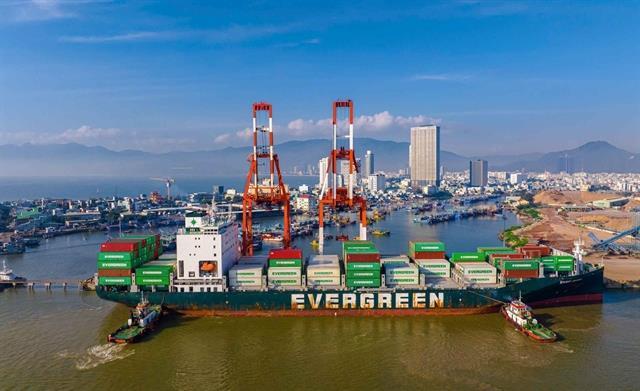


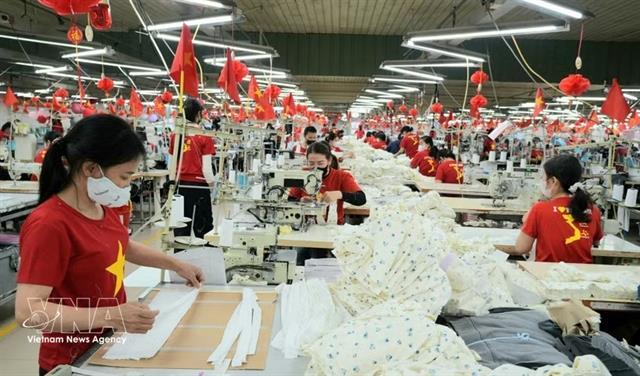
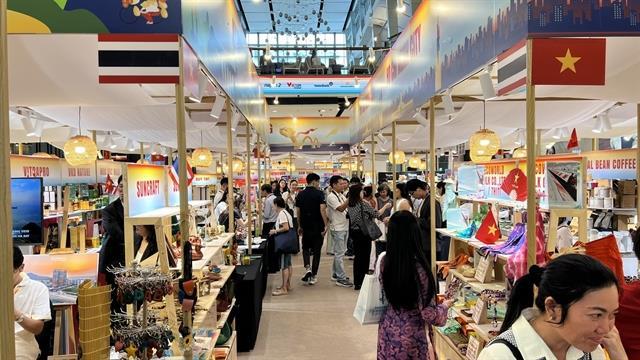



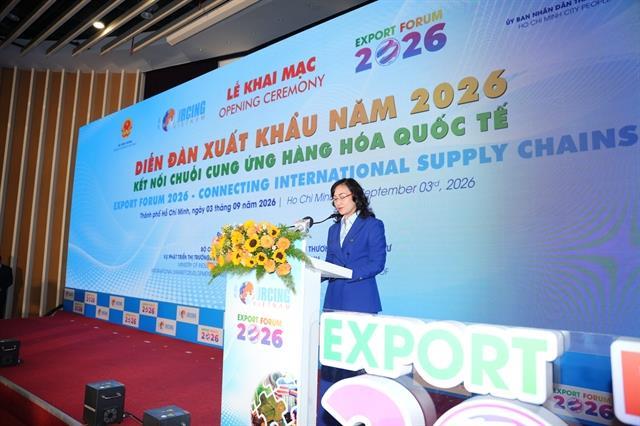
2026 would mark the start of a new development phase for the country, making exports a critical driver of growth while also requiring a shift toward a more efficient and sustainable growth model.
Market analysts said that although global demand remains relatively stable, the sector continues to struggle with higher input costs, including wages and logistics, while selling prices remain under pressure due to weak bargaining power.
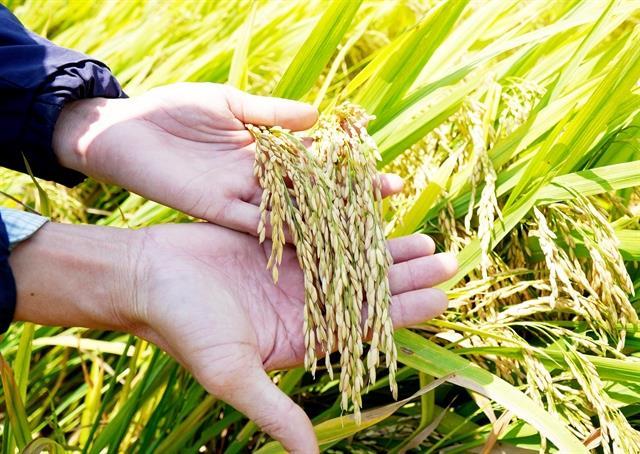
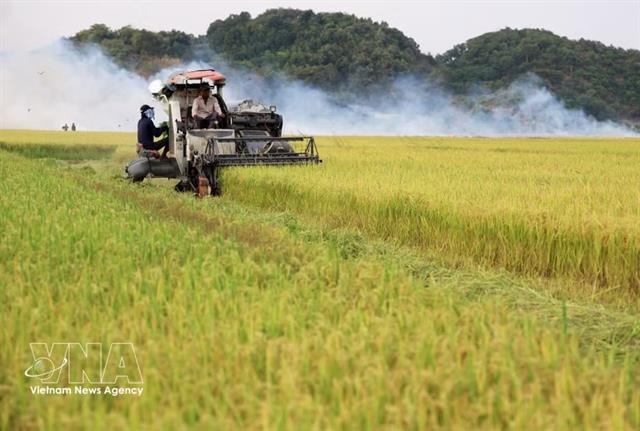
The total output this year is expected to be slightly higher than in 2025, at around 45.6 million tonnes, thanks to higher average yields of 6.14 tonnes per hectare.
Imported rice needs to arrive on or before the end of February so it does not coincide with the bulk of the harvest in March and April, according to the Philippine Department of Agriculture (DA) Assistant Secretary Arnel de Mesa.
Positive market signals mean Việt Nam’s wood industry is expected to achieve exports of US$18–19 billion this year, according to the Handicraft and Wood Industry Association of HCM City (HAWA).
In December alone, Singapore’s total trade with Việt Nam reached nearly 4 billion SGD (over US$3.1 billion), representing a year-on-year increase of 30.1 per cent.
Chairman of the Regional Comprehensive Economic Partnership (RCEP) Industry Cooperation Committee Xu Ningning has expressed his belief that China and Việt Nam would achieve better quality in their economic-trade ties on the existing foundation, setting a model for regional cooperation.
Đỗ Hà Nam, Chairman of the Vietnam Food Association (VFA), said that this year presents numerous difficulties and challenges, and the global supply glut significantly impacts all exporters, including Việt Nam.
Despite a challenging global environment, seafood exports topped US$11.3 billion in 2025, a 13 per cent rise from 2024 and in excess of the target, according to the Việt Nam Association of Seafood Exporters and Producers.
The city aims to lift average investment intensity to $8–10 million per hectare, with a focus on high-tech, high-value-added and environmentally friendly industries.
The figures represented a year-on-year decline of 10.8 per cent in volume and 27.6 per cent in value, clearly reflecting the impact of the global downturn in rice prices over the past year.
Việt Nam’s total trade reached more than US$930 billion in 2025, up 18.2 per cent year on year, with a trade surplus of $20 billion, according to the National Statistics Office (NSO).
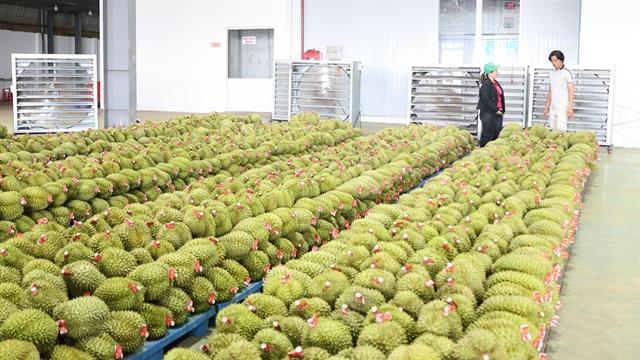
Việt Nam’s fruit and vegetable exports are set to reach $10 billion in 2026, driven by durian, coconuts and bananas, with sustainable growth and global demand boosting the sector.